
Photographing the 2026 Total Solar Eclipse
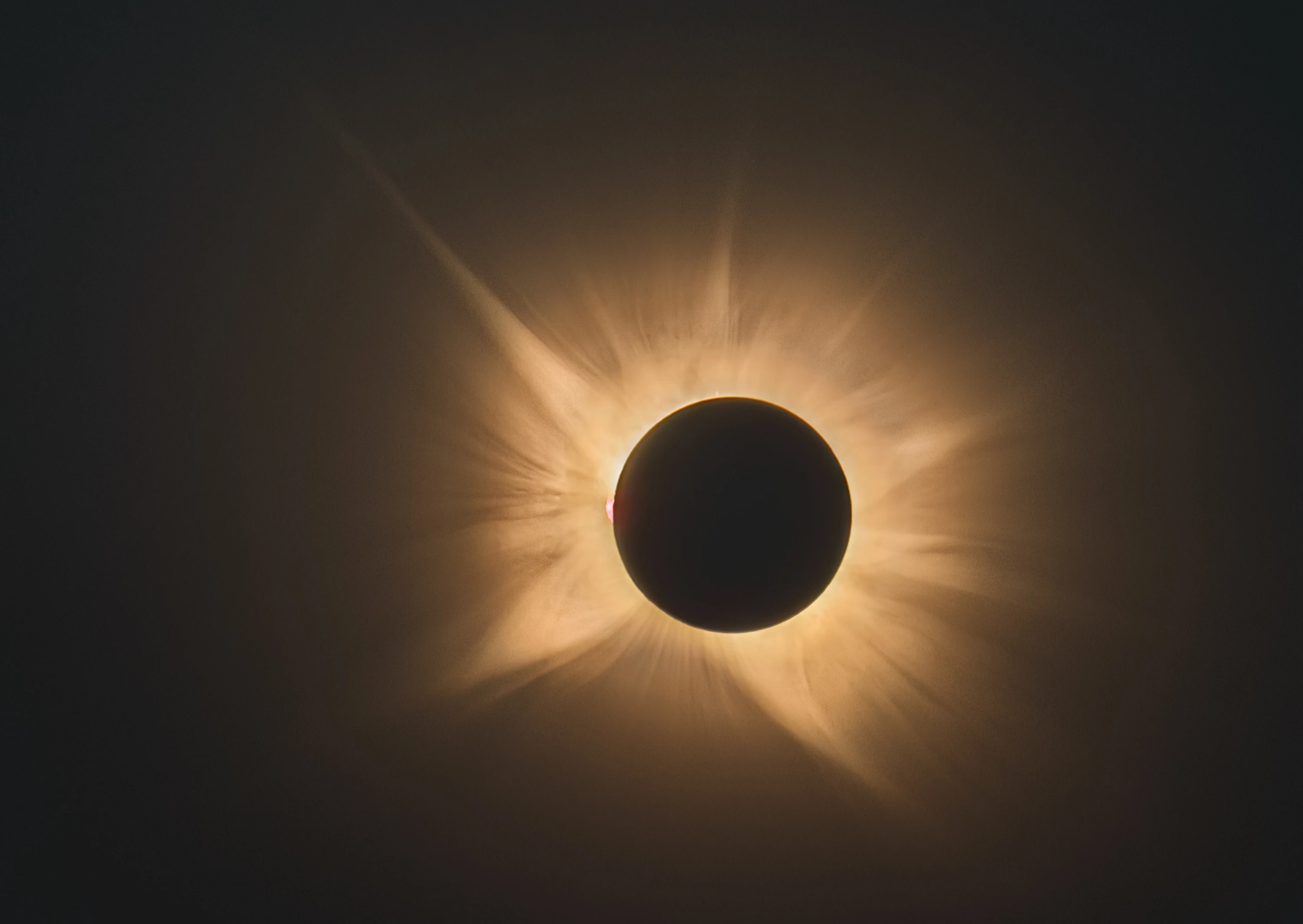
The story
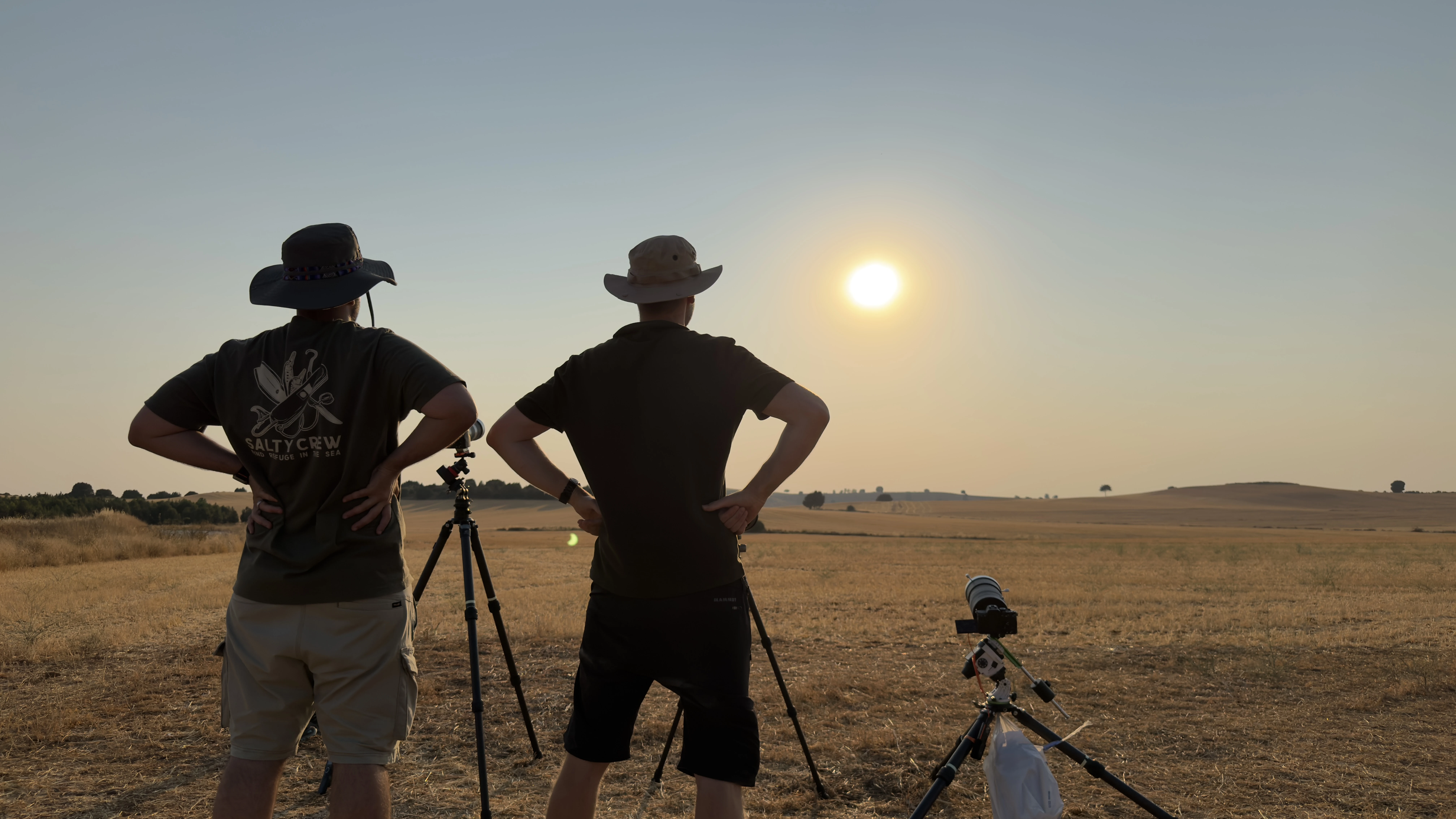
A year ago, we were already making plans for the Spanish eclipse in August 2026. The path of totality would cross northern Spain before reaching the island of Ibiza. So, the task was to decide where we'd set up for the eclipse...a year in advance. The peculiar thing about this eclipse was that it would occur at sunset. The Sun's altitude during totality would be about 8° above the horizon.
That's pretty low, and many things can go wrong: clouds on the horizon, wildfire smoke, poor atmospheric conditions, etc. However, we would have the chance to capture a yellow total eclipse. Let me explain.
Most eclipses happen when the Sun is still high in the sky. Through a solar filter, you see the true color of sunlight, which is white. When the Sun is as low as 8°, it appears yellowish, just as you'd expect during a sunset.
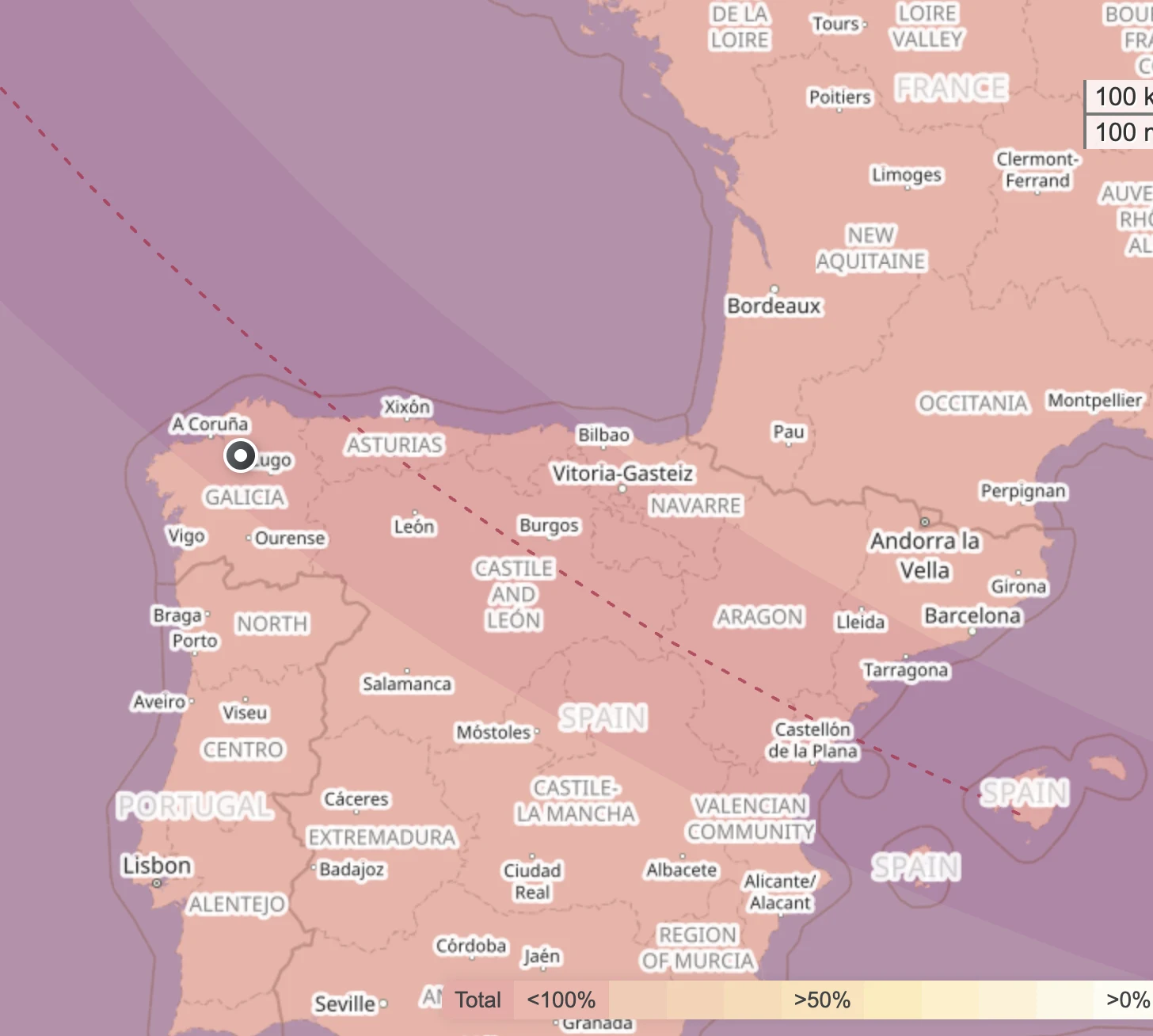
We chose Lerma to be our "hunting ground". It was perfect! Historical data showed that it had the lowest cloud cover throughout the year. Of course, historical averages are only statistics, so you never know.
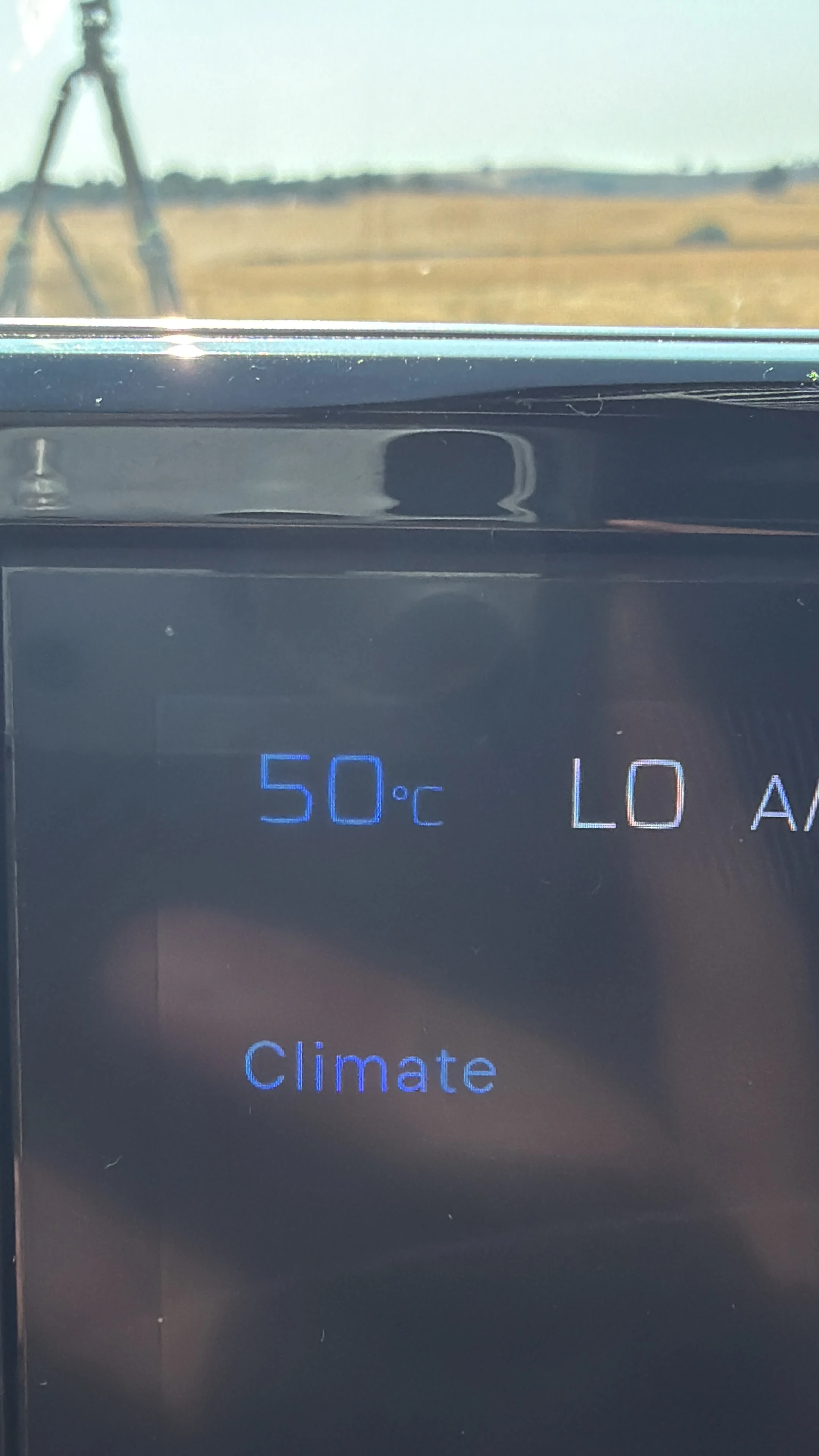
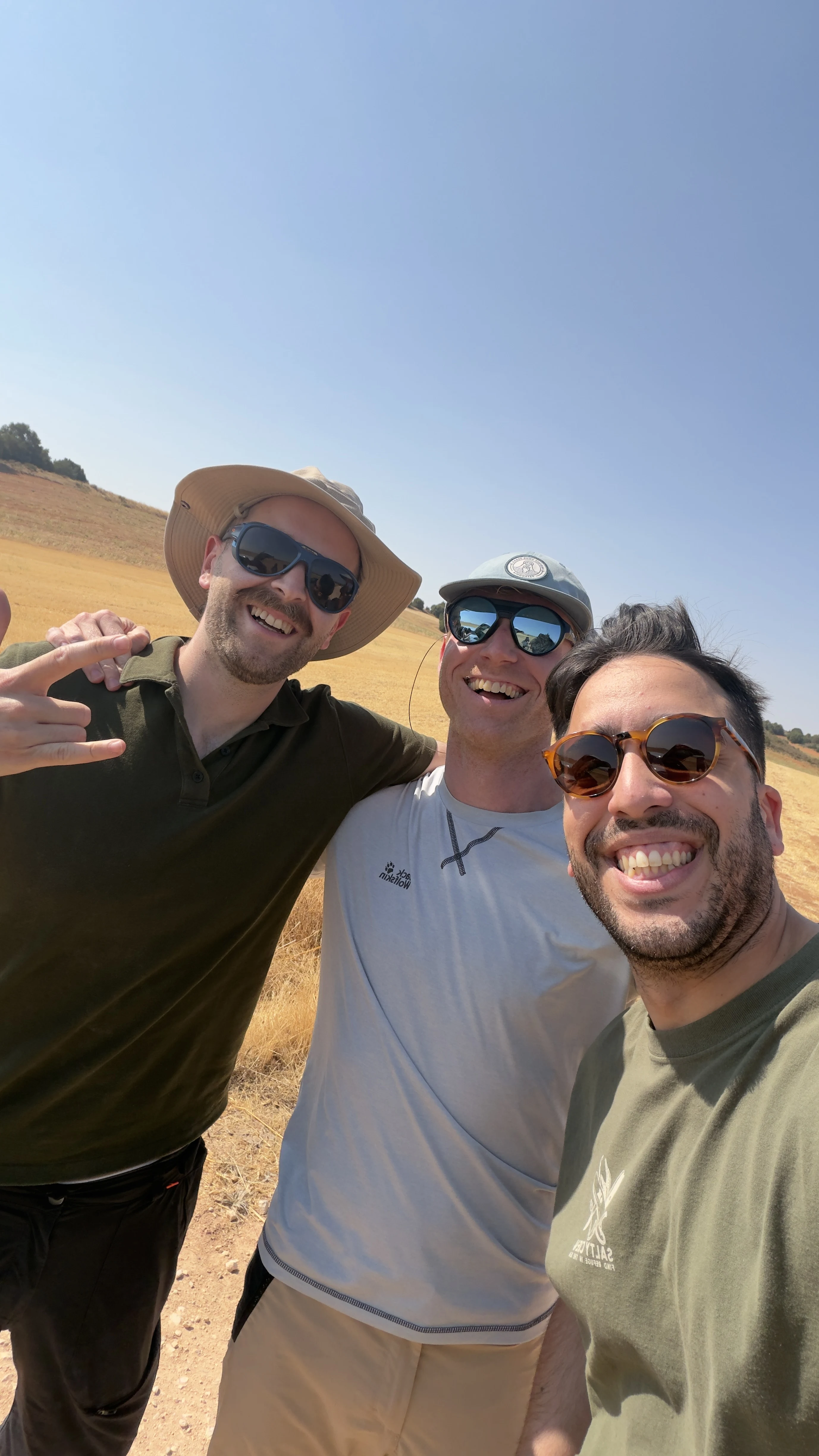
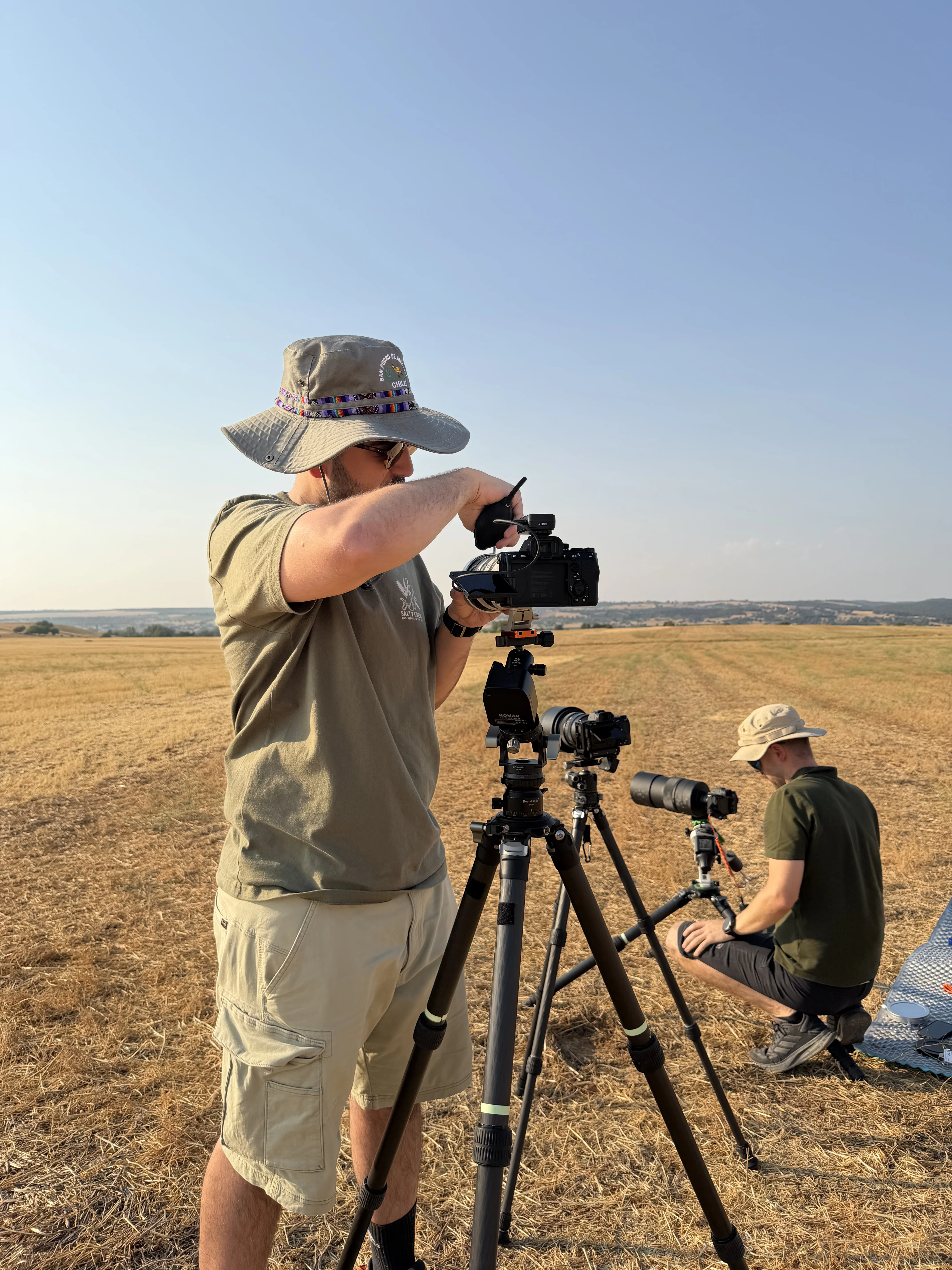
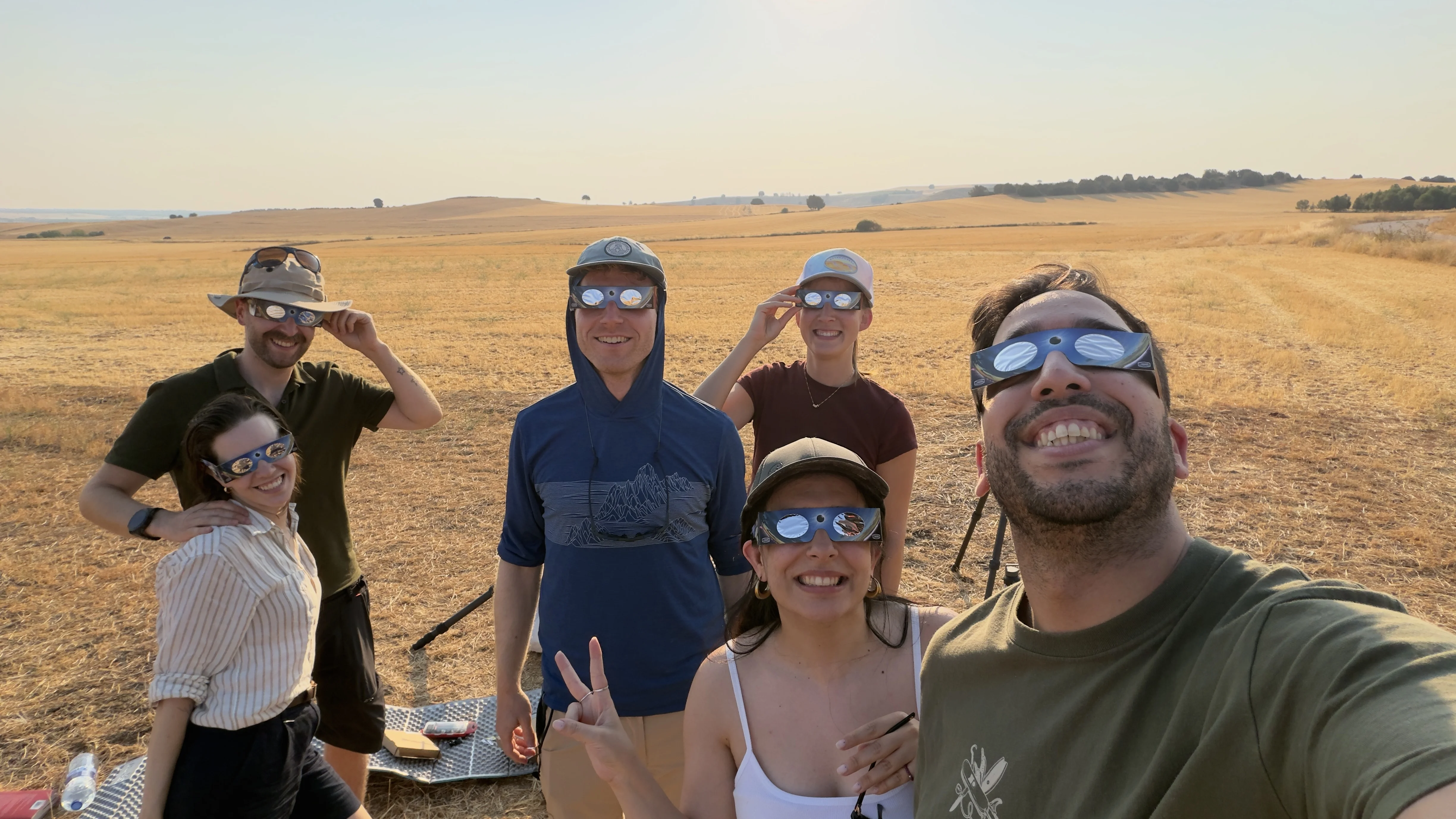
After finding our spot just 15 minutes east of Lerma, we had to stay in the car for five hours with the AC on full blast and wait for the main event 😁. An hour before the eclipse started, we set up all our gear and waited for C1, also known as first contact—the moment the Moon touches the solar disk.
The plan
An eclipse is one of the most dynamic phenomena you can capture. It requires careful preparation and a good knowledge of both your gear and the eclipse itself. Plus, you have to protect your eyes during the partial phase.
If you want to get the whole sequence, these are the simplified steps:
- Capture a timelapse of the partial phase until 30 seconds before totality
- 20 seconds before totality, use high-speed frames to capture Baily's beads & the diamond ring effect
- During totality, capture the corona and prominences with an HDR sequence
You can use the website I made to calculate exposure times for the HDR.
Making the image
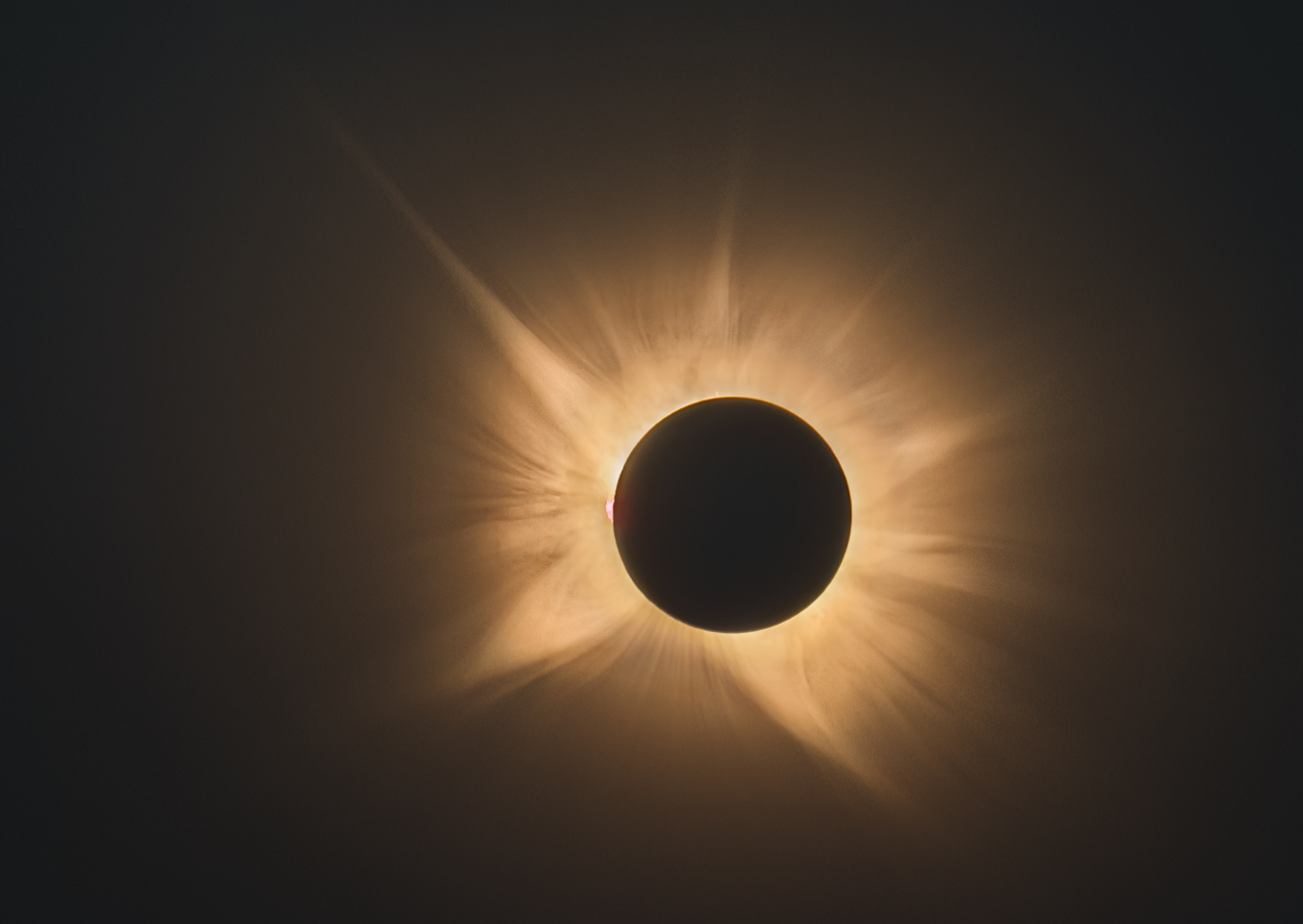
After that, everything happened so fast! Totality lasted for about 1 minute and 40 seconds, but it felt like 10 seconds. The experience was incredible—dynamic, breathtaking, and unlike anything else you can witness.
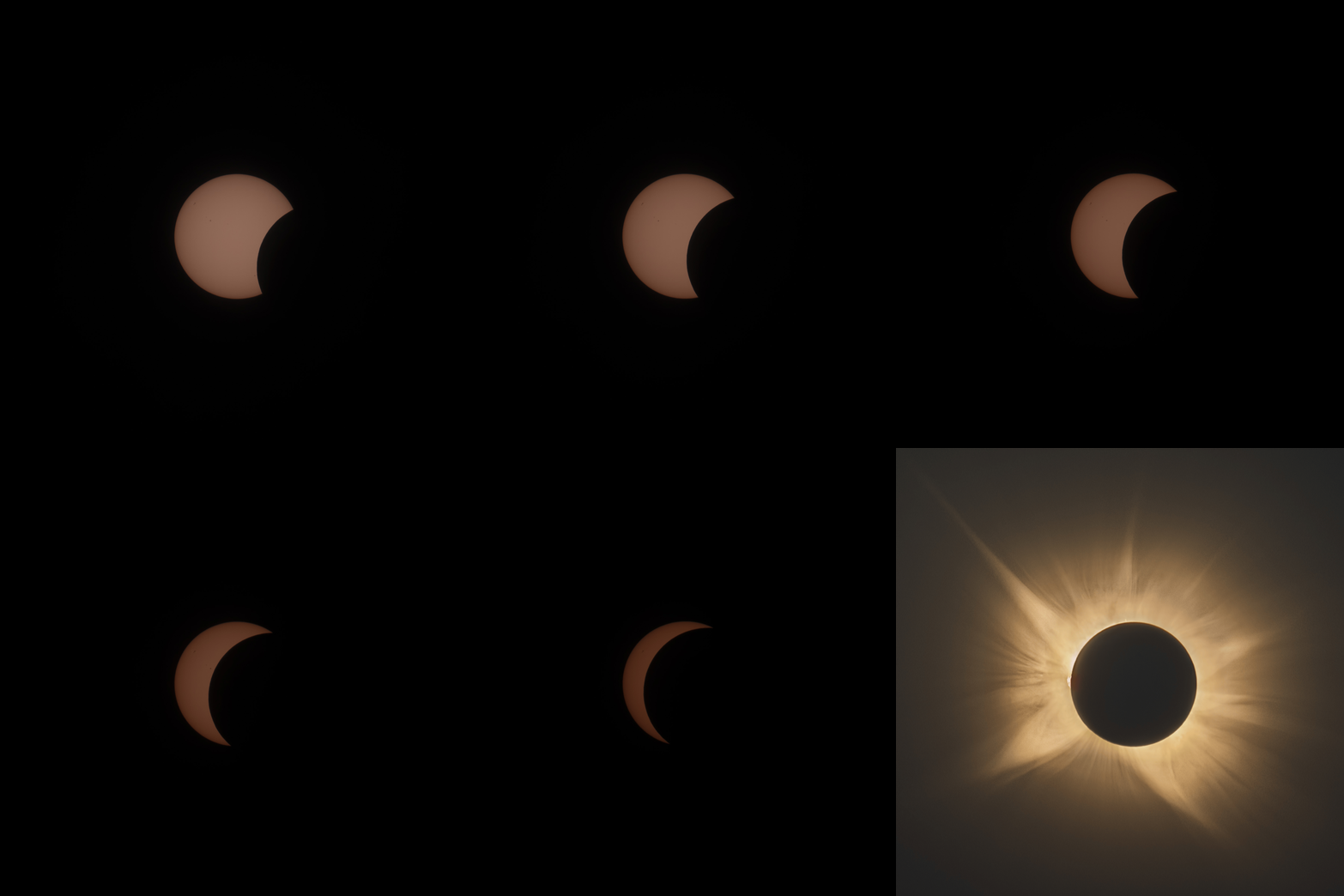
Below is my final image of totality, along with a GIF showing the partial phases leading up to it.
Epilogue
If you've never witnessed a total solar eclipse, add it to your bucket list. Next year, in 2027, we'll have one of the longest total solar eclipses, passing through Gibraltar, Morocco, and Egypt, with totality lasting between four and six minutes. That's insane! Don't miss it!
See you in the next story. Stay well and clear skies! 🔭